Research in environmental psychology consistently links visual clutter with increased cortisol and reduced focus in home environments. In an era of hyper-consumption and constant digital noise, minimalism has emerged not just as an aesthetic choice, but as a survival strategy. At its heart, minimalism is about stripping away the non-essential to make room for what truly matters-whether that's your time, your peace of mind, or your relationships. It is the intentional promotion of the things we value most and the removal of everything that distracts us from them. Join us as we explore ten practical steps to simplifying your life in 2026.
1. The Core Principles: What is Minimalism?
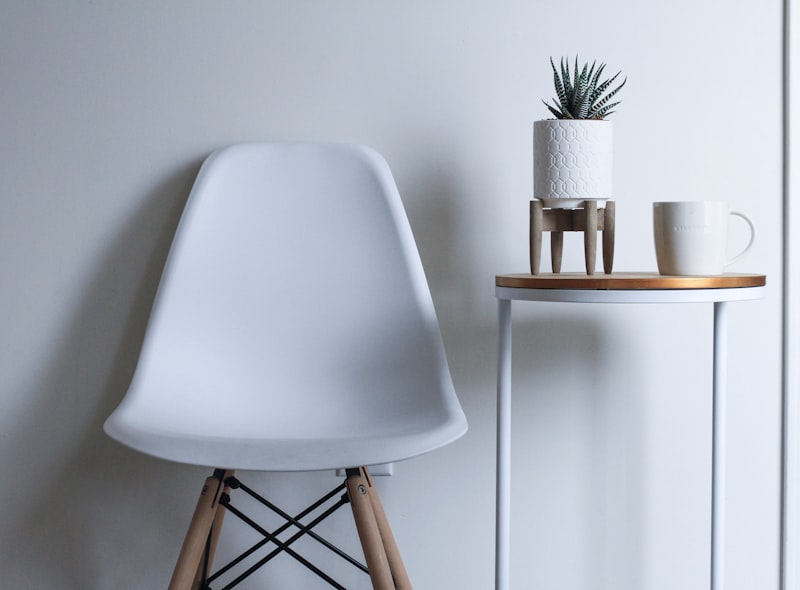
Minimalism is often misunderstood as having nothing, when in fact, it's about having exactly enough. It is a philosophy that shifts the focus from "more" to "better." Instead of being defined by what you own, you are defined by what you do and who you are. This shift in perspective is the foundation of the minimalist journey.
It's not about living in an empty white box; it's about surrounding yourself with items that serve a purpose or bring genuine joy. By identifying your values first, you can naturally decide which physical items and commitments deserve a place in your life. Minimalism is the tool that helps you reclaim your autonomy in a world that constantly asks you to buy.
2. Decluttering Your Physical Space: The 90/90 Rule
Physical clutter leads to mental clutter. The most difficult part of minimalism is letting go. One effective strategy is the "90/90 Rule": Have you used this item in the last 90 days? If not, will you use it in the next 90 days? If the answer is no twice, it's likely dead weight in your life.
Start small, one drawer or shelf at a time. The goal isn't just to throw things away, but to find them a new home where they will be used. Donation centers, resale apps, and community swaps are great ways to thin out your possessions responsibly. As your space clears, you'll feel a palpable sense of lightness and ease in your daily routine.
3. Digital Minimalism: Taming the Infinite Inboxes
In 2026, our digital lives are often more cluttered than our physical ones. Digital minimalism is the art of reclaiming your attention from the barrage of notifications, newsletters, and social media feeds. Every app on your phone is a silent request for your energy. If an app doesn't provide significant value, delete it.
Clean up your desktop, unsubscribe from marketing emails you never read, and organize your files into a simple, searchable system. By reducing the background noise of your devices, you create the mental space needed for deep work and true rest. Your phone should be a tool that serves you, not a master that demands your attention at every ping.
4. Intentional Spending: Breaking the Consumption Cycle
We often buy things to fill an emotional void or to keep up with an image. Intentional spending is the practice of pausing before every purchase and asking: *Is this a need, or a want?* and *Will this item contribute to my long-term goals?* By establishing a "waiting period" (like 48 hours) for non-essential purchases, you allow your impulsive brain to cool down.
Instead of seeking "retail therapy," look for ways to fulfill your needs through the things you already own or through non-material experiences. You'll find that the satisfaction of a deliberate, high-quality purchase far outlasts the temporary "high" of an impulse buy. Your bank account will also thank you.
5. Building a Capsule Wardrobe for Effortless Living

The "Decision Fatigue" of choosing what to wear every morning is a drain on your energy. A capsule wardrobe is a curated collection of versatile, high-quality items that all work together. By owning fewer, better pieces, you simplify your morning routine and ensure you always look and feel your best.
Focus on neutral colors and classic silhouettes that don't go out of style. Investing in natural fibers like organic cotton, linen, and wool means your clothes will last longer and feel better on your skin. A minimalist closet is a testament to the idea that style is about self-expression, not the quantity of clothes you own.
6. Minimalism in Relationships: Quality Over Quantity
Minimalism isn't just about things; it's about commitments. We often spread ourselves too thin, trying to maintain superficial social circles that leave us feeling drained rather than fulfilled. Minimalist relationships prioritize depth. It's about investing your limited time and emotional energy into a few close, meaningful connections.
Learn to say "no" to social obligations that don't align with your values. By clearing the clutter of "obligation-based" friendships, you make room for the vulnerable, supportive relationships that provide true life satisfaction. It's better to have four quarters than a hundred pennies.
7. The Environmental Power of Less

Every object in your home had to be manufactured, packaged, and shipped, consuming natural resources and emitting CO2. By choosing to own less, you are directly reducing your environmental impact. Minimalism is a powerful act of environmentalism because it addresses the root cause of the crisis: over-consumption.
When you do need to buy something, choose items that are sustainably made, easily repairable, and biodegradable. Your home becomes a living bridge between your personal peace and the health of the planet. A minimalist life is naturally a greener life.
8. Mindful Gifting: Experiences Over Things

Gift-giving holidays can often feel like a burden for both the giver and the receiver. Mindful gifting shifts the focus from physical objects to shared experiences. Instead of another gadget, gift a cooking class, a concert ticket, or a weekend trip. Experiences create memories that last forever, without taking up space on a shelf.
If you must give a physical gift, make it something consumable (like high-quality coffee or local chocolate) or something truly useful that the person has specifically mentioned needing. Gifting should be an act of connection, not an act of cluttering.
9. Streamlining Your Finances: The Minimalist Budget
A minimalist budget isn't about deprivation; it's about clarity. It's about knowing exactly where every dollar goes and ensuring it supports your values. Simplify your financial life by automating your savings, consolidating your accounts, and cancelling subscriptions you no longer use. A messy bank statement is a sign of a messy financial strategy.
By living below your means, you create a "Freedom Fund" that allows you to take risks, travel, or work less. Financial minimalism provides the safety net needed to live an intentional life. Complexity is the enemy of financial peace.
10. Sustaining the Lifestyle: The "One In, One Out" Rule
Minimalism is a journey, not a destination. To prevent clutter from creeping back in, adopt the "One In, One Out" rule: for every new item you bring into your home, one must leave. This forces you to evaluate the true value of every new purchase and ensures your environment remains balanced and intentional.
Regularly revisit your values and your space. As you evolve, your version of minimalism will evolve too. The goal is to always be in control of your surroundings, ensuring they serve the person you are becoming today. Stay curious, stay light, and stay intentional.
Kueef's Take
At KUEEF, we believe that minimalism is the ultimate form of self-care. It's the decision to stop letting the outside world define your needs and to start listening to your own voice. By clearing the clutter-physical, digital, and emotional-you rediscover your capacity for wonder and your appetite for life. Less is not just more; less is peace. Start where you are, use what you have, and let the rest fall away.
Sources & further reading
About Clara Stone
Clara writes about minimalism, organization, and intentional living.