The National Institute on Aging recommends prioritizing protein, fiber, and hydration as metabolism changes after 60. Reaching your 60s is a profound milestone that brings new freedoms, but it also signals a fundamental shift in how your body processes fuel. Your metabolism naturally slows, and the efficiency of nutrient absorption decreases. To maintain vitality, strength, and cognitive sharpness into your golden years, a strategic approach to nutrition is paramount. Here are 10 essential eating habits explicitly designed for thriving after 60.

1. Prioritize High-Quality Protein
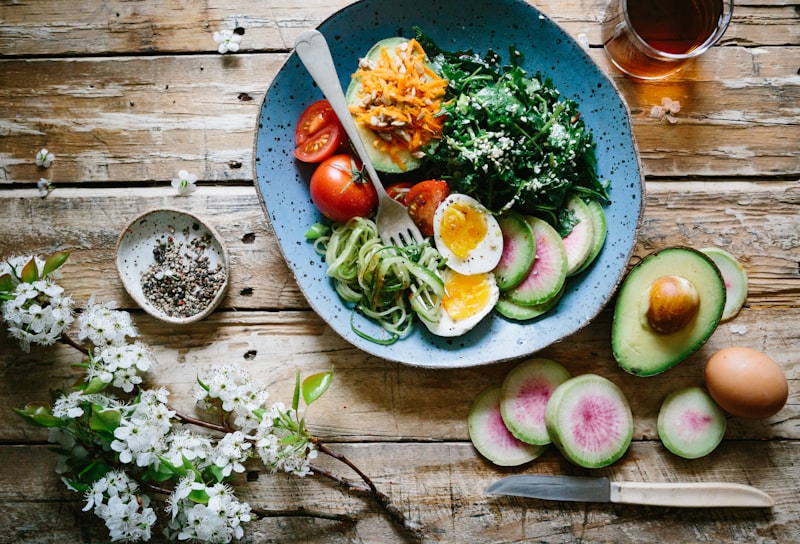
One of the most critical changes as we age is the gradual loss of muscle mass, a condition known as sarcopenia. To combat this, older adults actually need *more* high-quality protein than younger people. Protein is the building block that preserves muscle strength, maintains balance, and protects against frailty.
Incorporate lean protein into every single meal. Examples include grilled salmon, skinless poultry, eggs, and plant-based options like lentils and quinoa. Distributing protein evenly throughout the day maximizes your body's ability to synthesize new muscle tissue.
2. The Mediterranean Miracle: Focus on Healthy Fats
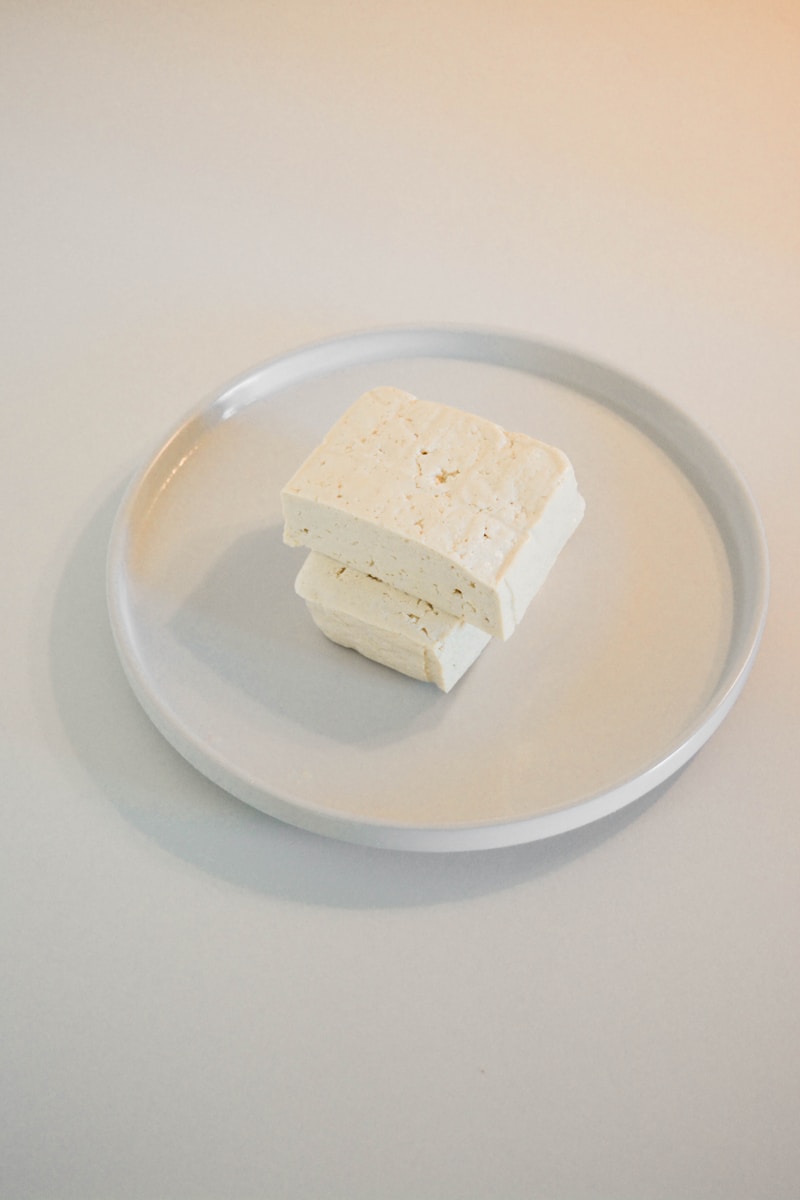
Not all fats are created equal. As cardiovascular risks increase with age, pivoting toward the healthy fats found in the Mediterranean diet becomes a lifesaving strategy. These fats, known as monounsaturated and polyunsaturated fats, actively lower bad cholesterol and reduce systemic inflammation.
Extra virgin olive oil should become your primary cooking fat. Avocados, nuts, and seeds are excellent snacks. Additionally, aim for at least two servings of fatty fish (like salmon or mackerel) per week to secure crucial Omega-3 fatty acids, which protect brain health and cognitive function.
3. Hydration: The Silent Necessity

A surprising fact about aging is that our natural sense of thirst diminishes. You may be clinically dehydrated long before your brain signals that you need a drink. Dehydration after 60 leads to lethargy, severe constipation, and even cognitive confusion that mimics dementia.
Don't wait until you're thirsty. Keep a large water bottle visible throughout the day and aim for at least 8 glasses. Herbal teas, bone broths, and water-rich foods like cucumber, watermelon, and celery also contribute significantly to your daily fluid intake.
4. Fortify with Calcium and Vitamin D
Bone density naturally plummets after age 60, drastically increasing the risk of osteoporosis and debilitating fractures. Calcium is the structural component of bones, but without Vitamin D, your body cannot absorb the calcium you consume.
While dairy products are traditional sources, don't overlook fortified plant milks, leafy greens (like kale and collard greens), and sardines. Because the skin becomes less efficient at synthesizing Vitamin D from sunlight as we age, a daily D3 supplement is almost universally recommended by geriatricians.
5. Fiber is Your Best Friend
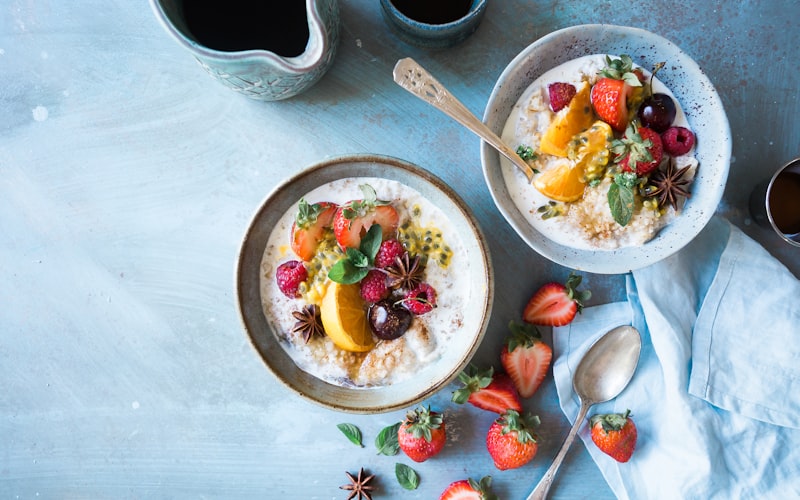
Digestive motility slows down with age, making irregularity and constipation common complaints. Fiber is the mechanical solution to this problem, adding bulk to stool and promoting a healthy microbiome in your gut. But its benefits extend far beyond digestion—soluble fiber actively lowers blood sugar spikes and reduces cholesterol.
Aim for 25 to 30 grams of fiber daily. Swap refined white bread for 100% whole grain varieties. Start your morning with steel-cut oats, and ensure that at least half of your dinner plate is covered in vibrant, fibrous vegetables.
6. Be Vigilant with Vitamin B12
Vitamin B12 is crucial for maintaining healthy nerve cells and red blood cells. However, up to 30% of adults over 50 develop atrophic gastritis, a condition that severely limits the stomach's ability to extract B12 from natural food sources like meat and dairy.
A B12 deficiency can cause fatigue, weakness, and severe neurological issues. Because natural extraction becomes compromised, fortified foods (like nutritional yeast or certain cereals) or a daily B12 supplement are often necessary to maintain optimal levels.
7. Radically Reduce Sodium Intake

High blood pressure becomes increasingly prevalent as blood vessels naturally stiffen with age. Sodium is a primary driver of hypertension, forcing the heart to work harder and increasing the risk of stroke and heart disease. The vast majority of American dietary sodium comes not from the saltshaker, but from processed and restaurant foods.
Transition to cooking meals from scratch using fresh ingredients. To compensate for reduced salt, aggressively flavor your food with fresh herbs, spices, garlic, onions, and citrus juices like lemon or lime. Your palate will adapt remarkably quickly.
8. Embrace Nutrient-Dense "Superfoods"
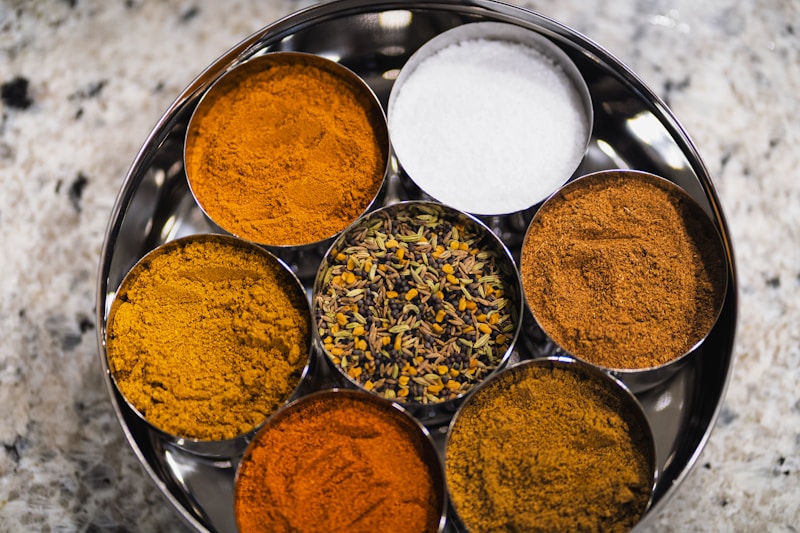
Because metabolic rates slow down, older adults require fewer calories to maintain their weight. However, their need for vitamins and minerals remains the same, or even increases. This means every calorie consumed must pack a nutritional punch; there is no room for "empty" calories like sodas or sugary baked goods.
Focus entirely on nutrient-dense foods. Berries (particularly blueberries) are packed with antioxidants that combat cellular aging. Dark leafy greens, cruciferous vegetables (like broccoli), and spices like turmeric should be daily staples.
9. The Danger of Added Sugars
As insulin sensitivity often decreases with age, large quantities of refined sugar can lead to rapid weight gain, systemic inflammation, and type-2 diabetes. Sugar also accelerates skin aging through a process called glycation, where sugar molecules bind to collagen, making it stiff and brittle.
Read ingredient labels meticulously. Added sugars hide in seemingly healthy foods like yogurt, pasta sauces, and granola bars. Satisfy your sweet tooth with whole, fresh fruits, which contain natural sugars bound with beneficial fiber that slows absorption into the bloodstream.
10. Mindful and Joyful Eating

Food is not merely fuel; it is a profound source of pleasure, culture, and social connection. Eating alone frequently can lead to poor dietary choices and a lack of appetite. Furthermore, racing through a meal prevents the brain from registering satiety, leading to overeating.
Practice mindful eating. Sit down at a properly set table, turn off the television, and chew your food slowly. Whenever possible, share meals with family or friends. The social engagement surrounding a meal is just as critical to your overall longevity and happiness as the nutrients on the plate.
Kueef's Take
At KUEEF, we view the 60s not as a winding down, but as a prime opportunity for physical renewal. Your diet is the most powerful tool you have to dictate the quality of your upcoming decades. By making these ten deliberate, science-backed nutritional shifts, you are actively investing in a future defined by mobility, mental clarity, and enduring vitality. It is never too late to reshape your health.
Sources & further reading
About Sarah Mitchell
Sarah covers nutrition and healthy aging. She synthesizes guidance from NIH, Academy of Nutrition and Dietetics, and peer-reviewed journals — and clearly labels educational content as non-medical advice.