The EPA notes that source reduction — buying less and reusing more — delivers the largest environmental benefit per dollar spent. Living sustainably is often portrayed as a luxury for those who can afford organic grocery stores and premium electric vehicles. However, at its core, sustainability is about efficiency, mindfulness, and reducing waste-concepts that go hand-in-hand with saving money. In 2026, as inflation and environmental concerns continue to rise, the "Eco-Thrifty" lifestyle is becoming the most practical way to live. Here is your roadmap to a greener life that actually leaves your wallet fuller.
1. Energy Audits & Bill Reduction
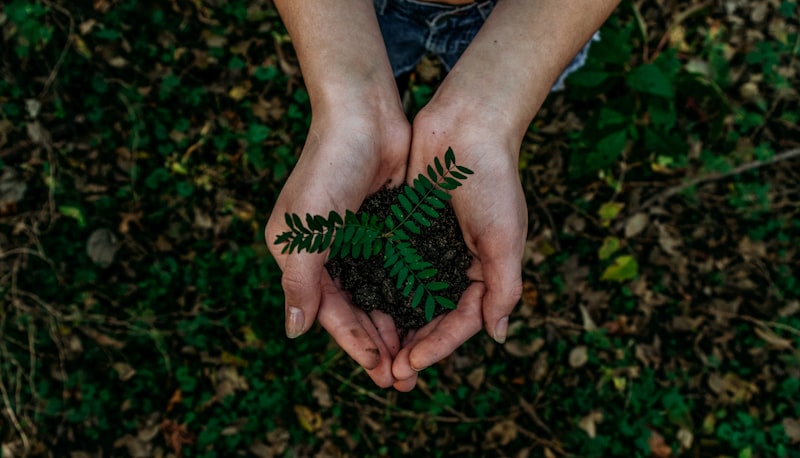
The greenest energy is the energy you don't use. Starting your sustainable journey with an "at-home energy audit" is the single most effective way to cut both your carbon footprint and your monthly expenses. Small fixes-like sealing drafts around windows, switching to high-efficiency LED bulbs, and installing a programmable thermostat-can reduce your heating and cooling costs by up to 15%.
In 2026, many local utilities offer free energy-saving kits to residents. Reach out to your provider to see if you qualify for low-cost insulation upgrades or rebates on energy-star appliances. It's an investment that pays for itself in just a few months through reduced utility bills.
2. The Thrift Store Strategy: Eco-Friendly Fashion
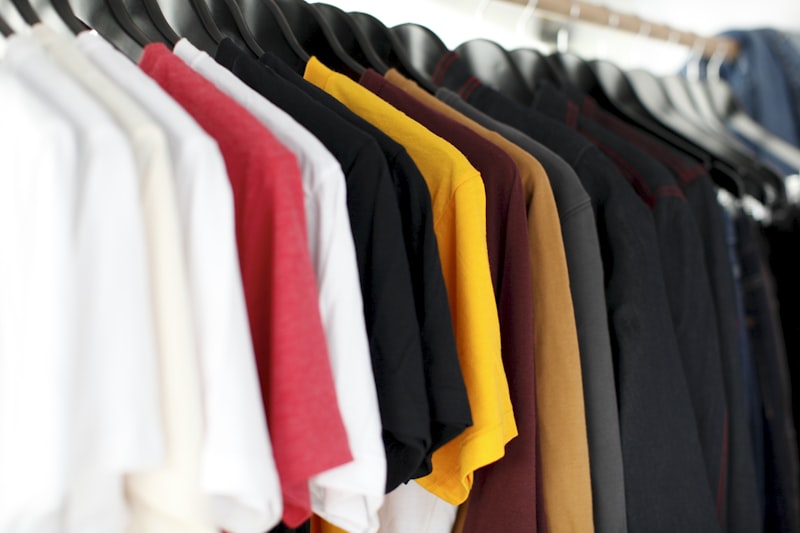
Fast fashion is one of the world's most polluting industries, responsible for massive water waste and microplastic pollution. The alternative? Second-hand shopping. Thrifting has evolved from a niche hobby into a mainstream movement. Buying high-quality, pre-owned items prevents functional clothing from ending up in landfills and saves you 70-90% off retail prices.
Beyond local charity shops, digital platforms like Vinted and Depop have made it easier than ever to find specific brands and styles. When you choose second-hand, you aren't just saving money; you're voting for a more circular economy where things are used to their full potential.
3. Back-to-Basics: Growing a Kitchen Garden
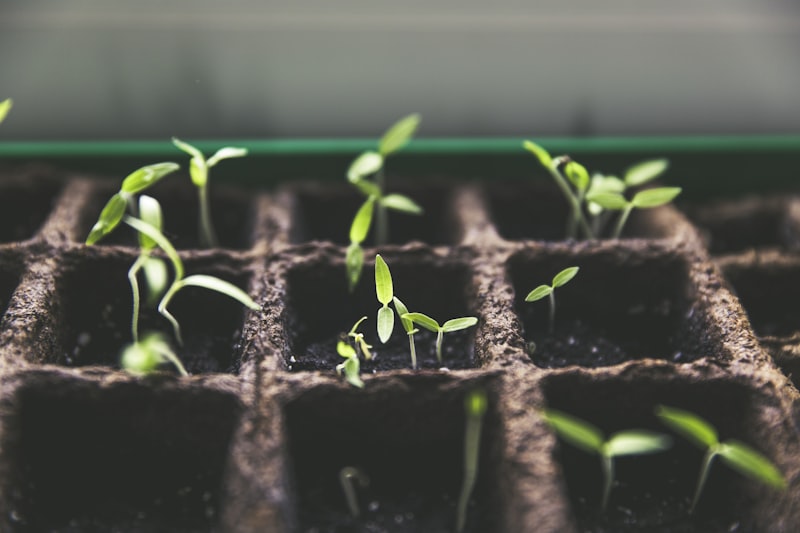
Transportation accounts for a significant portion of a food item's carbon footprint. Growing your own herbs, lettuce, and tomatoes-even on a windowsill or small balcony-eliminates those "food miles" and provides you with the freshest possible produce for pennies. A pack of heirloom seeds costs less than a single bunch of organic kale at the supermarket.
Not only does gardening provide a sense of connection to our environment, but it also reduces the need for plastic packaging associated with store-bought greens. Start small with easy-to-grow herbs like basil and mint, and watch your grocery bill shrink as your confidence grows.
4. Zero-Waste Cooking & Composting
Roughly one-third of all food produced globally goes to waste, often because we don't know how to use leftovers or scraps. Zero-waste cooking is the art of using everything-from broccoli stems to potato skins. Storing vegetable scraps in a freezer bag to make your own stock is a classic thrifty move that tastes better than anything in a carton.
For the scraps you truly cannot eat, composting is the solution. It diverts organic matter from methane-producing landfills and creates "black gold" fertilizer for your plants. Even apartment dwellers can now use compact Bokashi bins or worm farms to manage their waste responsibly and cheaply.
5. Greywater and Water Conservation Hacks
Freshwater is becoming a scarce resource in many parts of the world. Simple habits like "navy showers" (turning off the water while you lather) and collecting rain in a barrel for your garden can save thousands of gallons of water per year. Another powerful hack is using "greywater"-the water from your sink or shower-to flush toilets or water non-edible plants.
Modern low-flow showerheads and faucet aerators are inexpensive upgrades that can reduce home water usage by over 30% without sacrificing pressure. In the long run, these habits protect our local aquifers and lower your monthly water bill significantly.
6. The Sustainable Commute: E-Bikes and Carpools

Transportation is often the second largest expense for most households. While electric cars are a step in the right direction, nothing beats the efficiency of a bicycle or public transit. E-bikes, in particular, have become a game-changer for commuters, allowing you to travel further and faster without arriving at the office covered in sweat.
If biking isn't an option, carpooling with coworkers or using ride-share apps for collective travel cuts your fuel costs and wear-and-tear on your vehicle while significantly reducing CO2 emissions per person. Every mile you take off the road is a win for both your budget and the planet.
7. DIY Chemical-Free Cleaning

Commercial cleaning products are often overpriced cocktail of synthetic fragrances and harsh chemicals. They come in single-use plastic bottles and can irritate sensitive respiratory systems. You can replace almost all of them with three simple, kitchen-staple ingredients: white vinegar, baking soda, and lemon juice.
A 50/50 mix of vinegar and water makes an excellent all-purpose surface cleaner, while baking soda acts as a gentle abrasive for scrubbing sinks and tubs. Not only are these solutions safer for your family and the water system, but they also cost a fraction of the specialized "branded" alternatives.
8. The "Repair, Don't Replace" Philosophy
Our "throwaway culture" is a major driver of global waste. Reclaiming the art of repair is a direct act of sustainability. Learning basic sewing to mend a torn seam, or watching a YouTube tutorial on how to fix a leaky faucet, can save you hundreds of dollars in replacement costs and professional fees.
Many communities now host "Repair Cafes" where volunteers help you fix electronics, furniture, and bicycles for free. Before you toss something in the trash, ask yourself: *Can this be fixed?* More often than not, the answer is yes, and the satisfaction of longevity is much sweeter than a new purchase.
9. Plastic-Free Living: Bulk Buying Secrets
Single-use plastic is everywhere, but you can avoid a huge percentage of it by shopping the bulk aisles. Bringing your own reusable jars and bags to buy grains, beans, nuts, and spices eliminates packaging waste and allows you to buy exactly the amount you need-reducing food waste simultaneously.
In 2026, "Refill Stations" for soaps, shampoos, and detergents are appearing in more mainstream grocery stores. These stations allow you to reuse the same plastic bottle for years rather than starting over every month. It's a cleaner for the ocean and cheaper for you, as you aren't paying for the marketing and package design of a new bottle.
10. Community Sharing: The Library of Things
Do you really need to *own* a power drill if you only use it twice a year? The "Sharing Economy" is shifting from owning to accessing. "Libraries of Things" are popping up in neighborhoods worldwide, allowing residents to borrow tools, camping gear, kitchen gadgets, and even party supplies for free or for a minimal membership fee.
Sharing resources reduces the total number of items that need to be manufactured and shipped, drastically cutting global emissions. It also builds stronger community bonds and keeps your home free of the clutter of "just in case" items. Minimalism and sustainability are two sides of the same coin.
Kueef's Take
Sustainable living isn't about being perfect; it's about being intentional. By choosing to thrift, repair, and reduce, you are reclaiming your power as a consumer and a citizen. The most radical thing you can do for the planet is to be satisfied with what you have and to use what you have well. At KUEEF, we believe the transition to a greener world will be led not just by technology, but by millions of people making small, thrifty choices every single day.
Sources & further reading
About Maya Rivers
Maya focuses on practical sustainability using EPA and UN public materials.