What is the most abundant gas in Earth's atmosphere?
1
Nitrogen
2
Oxygen
3
Carbon Dioxide
4
Argon
Nitrogen makes up approximately 78% of Earth's atmosphere, while oxygen accounts for about 21%.
Question 2 / 10
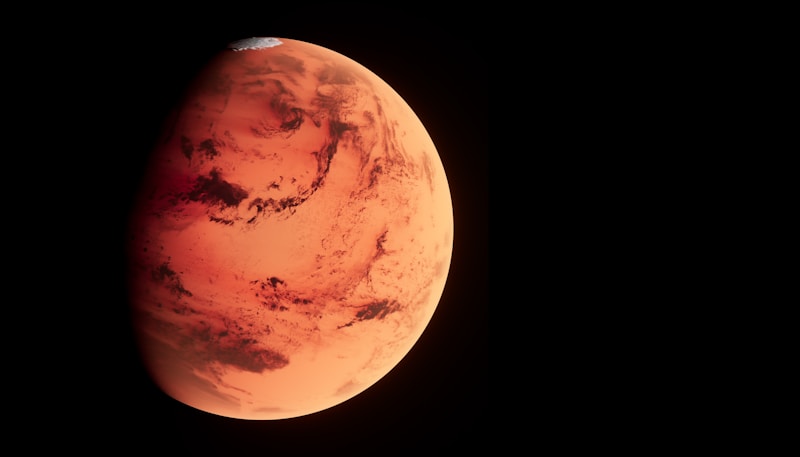
Which planet is known as the "Red Planet"?
1
Venus
2
Mars
3
Jupiter
4
Saturn
Mars gets its reddish appearance from iron oxide (rust) on its surface.
Question 3 / 10
What is the chemical symbol for Gold?
1
Go
2
Gd
3
Au
4
Ag
The symbol 'Au' comes from the Latin word for gold, 'aurum'.
Question 4 / 10
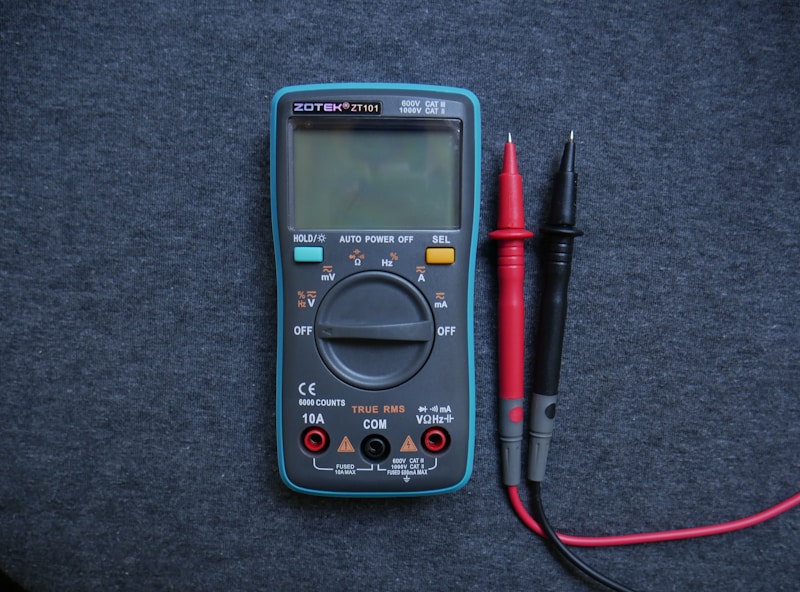
What is the standard unit of electrical resistance?
1
Ohm
2
Volt
3
Ampere
4
Watt
The Ohm is named after German physicist Georg Simon Ohm.
Question 5 / 10
What is the chemical formula for water?
1
CO2
2
H2O
3
NaCl
4
O2
H2O consists of two hydrogen atoms and one oxygen atom.
Question 6 / 10
Who developed the theory of relativity?
1
Albert Einstein
2
Isaac Newton
3
Nikola Tesla
4
Marie Curie
Einstein published his theory of general relativity in 1915.
Question 7 / 10
What is the largest organ in the human body?
1
Liver
2
Brain
3
Skin
4
Lungs
The skin covers about 20 square feet on an average adult.
Question 8 / 10
Which part of the cell is known as the powerhouse?
1
Nucleus
2
Ribosome
3
Golgi Apparatus
4
Mitochondria
Mitochondria generate most of the cell's supply of adenosine triphosphate (ATP).
Question 9 / 10
What is the boiling point of water in Celsius?
1
100°C
2
90°C
3
120°C
4
80°C
Standard atmospheric pressure at sea level is required for this exact boiling point.
Question 10 / 10
What force keeps us on the ground?
1
Magnetism
2
Gravity
3
Friction
4
Inertia
Gravity is the universal force of attraction between all matter.
Advertisement
Your Results
You scored 0 out of 10
🏆 Genius!
You're a science master!
👍 Well Done!
Great scientific knowledge!
👌 Decent!
You know your basics.
📚 Keep Reading!
Time for some science docs.
💪 Try Again!
Science is hard, but keep at it!
Advertisement
Learn more: The Ultimate Science Challenge
Science literacy means understanding how evidence becomes theory. From Newton's laws to modern genetics, each discipline uses repeatable experiments reviewed by peers. NASA Science publishes accessible explainers on physics and Earth systems used in classrooms worldwide.
Biology questions in this quiz touch cellular structure, ecosystems, and human anatomy basics. Chemistry items reference elements and reactions catalogued in public databases such as PubChem. Physics items explore forces, energy, and the scale of the universe.
Miss a question? Treat wrong answers as study prompts. Follow up with Astronomy Wonders and Human Body Facts for deeper topical quizzes.