According to the World Economic Forum Future of Jobs Report, AI adoption is reshaping task composition faster than net job losses in most sectors. Artificial Intelligence is no longer a futuristic concept; it is actively reshaping how we work, communicate, and innovate. While the fear of automation replacing human jobs is real, the reality is more nuanced. AI is increasingly acting as a powerful co-pilot, enhancing human capabilities and opening doors to entirely new industries. In this deep dive, we explore ten key ways the workplace is evolving and what you can do to stay ahead of the curve.
1. Automation vs. Human Enhancement
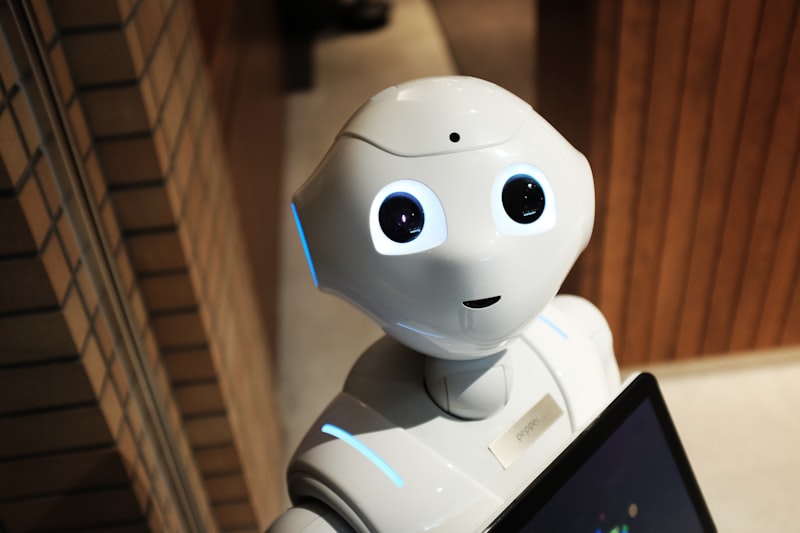
The first wave of AI adoption often focused on automating repetitive tasks-data entry, scheduling, and basic customer service. However, the current shift is toward augmentation. Large Language Models (LLMs) and generative tools are helping developers write code faster, marketers draft copy in seconds, and analysts process massive datasets with simple natural language queries.
Instead of replacing the worker, AI is becoming a sophisticated tool that removes the "drudgery" of a job, allowing professionals to focus on high-level strategy and creative problem-solving. Those who learn to collaborate with these systems will find themselves significantly more productive than those who resist them.
2. The Rise of "Soft Skills" in a Tech World
As technical tasks become easier for machines to handle, the premium on human-centric "soft skills" is skyrocketing. Empathy, emotional intelligence, leadership, and ethical judgment are areas where AI still struggles significantly. Interpersonal communication and the ability to navigate complex organizational politics are becoming the true differentiators for career advancement.
Companies are looking for employees who can bridge the gap between AI-generated insights and human-centered execution. Being "the person who talks to the people" is becoming more valuable as the "person who talks to the machines" (coding) becomes more accessible through AI assistance.
3. Remote Work and AI-Enabled Collaboration

The remote work revolution is being supercharged by AI. Real-time translation tools, automated meeting summaries, and intelligent project management software are making it possible for global teams to work together seamlessly across different time zones and languages. AI tools can now identify project bottlenecks before they happen, suggesting reallocations of resources in real-time.
This allows for a more decentralized workforce where "living where you work" is truly optional. We are seeing the rise of a new class of digital nomads who rely on these tools to maintain high-level corporate roles while traveling the world.
4. Continuous Learning as a Necessity

The era of getting a degree and being "done" with learning is over. The half-life of skills is shrinking rapidly. To thrive in the AI era, workers must adopt a mindset of continuous upskilling. Fortunately, AI is also making education more personalized; AI tutors can identify exactly where a student is struggling and provide tailored exercises to bridge the gap.
Micro-credentials and specialized certifications are becoming more important than traditional four-year degrees in many tech-forward fields. Staying "curious" is now a core professional survival strategy.
5. Ethical AI and Workplace Governance
As AI systems make more decisions-from hiring filters to credit approvals-the need for algorithmic transparency and fairness has never been greater. Companies are now hiring "AI Ethicists" and "Compliance Officers" specifically to ensure their internal systems aren't perpetuating unconscious biases or violating privacy laws.
Employees in every department need to understand the basic ethics of data privacy. Understanding where your data comes from and how it's being used by AI tools is no longer just for the IT department-it's a requirement for every modern professional.
6. The Gig Economy 2.0
AI is lowering the barrier to entry for entrepreneurship and freelance work. A single individual can now leverage AI to handle their marketing, accounting, and even basic customer support, effectively acting as a "company of one." This is leading to a surge in high-value gig work, where specialized experts offer their services to multiple firms simultaneously.
We are moving away from the "9-to-5 for life" model toward a portfolio career approach, where professionals manage multiple income streams and projects at once, powered by AI efficiency.
7. New Job Categories: Prompt Engineering and Beyond
Just as the internet created the "Social Media Manager," AI is creating entirely new job titles. "Prompt Engineers" specialize in talking to AI models to get the best possible output. "Data Refiners" ensure the information used to train AI is clean and accurate. These roles didn't exist five years ago but are now some of the most sought-after positions in the tech world.
The ability to understand "AI latency" and "model drift" is becoming as common as knowing how to use Microsoft Excel was in the 90s. The pioneers in these roles are currently defining the future of their respective industries.
8. Mental Health & Workplace Balance
While AI can increase productivity, it also risks creating a "24/7" work culture. When machines don't sleep, the pressure on humans to be constantly "on" can lead to rapid burnout. Forward-thinking companies are using AI to *monitor* employee stress levels and suggest breaks or workload rebalancing before it becomes a crisis.
The future of work must prioritize mental health just as much as technological advancement. Using AI to *protect* human well-being, rather than just exploiting it, will be a key differentiator for the "best places to work."
9. Cybersecurity in an AI World
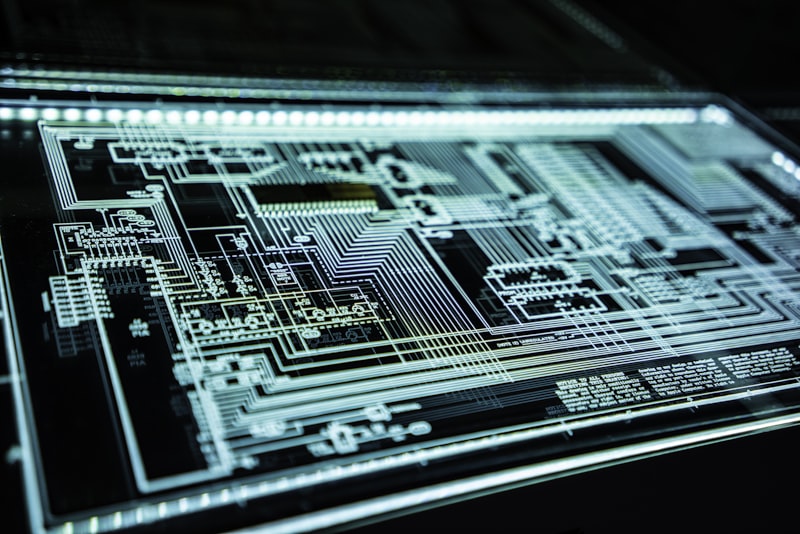
As AI becomes more sophisticated, so do the threats. "Deepfakes" and AI-powered phishing attacks are becoming nearly impossible to distinguish from genuine communication. This has created a massive demand for AI-driven security systems that can detect and neutralize threats at the speed of light.
Every employee is now on the front lines of cybersecurity. A simple mistake-like uploading proprietary company data into a public AI tool-can have catastrophic consequences. Education on "Secure AI" usage is the next major wave of corporate training.
10. Preparing the Next Generation
Finally, we must look at how we are educating the youth. The traditional model of rote memorization is entirely obsolete when any question can be answered by an AI in seconds. Schools are shifting toward teaching critical thinking, project-based learning, and AI literacy. The goal is to produce "AI-Native" workers who treat these systems as a natural extension of their own minds.
The future belongs to those who view AI not as a threat, but as a playground for innovation. By embracing the change today, we are setting the stage for a more creative, efficient, and interconnected global workforce.
Kueef's Take
At KUEEF, we believe AI is the most significant leveling field in history. While it can be intimidating, it fundamentally democratizes expertise. A sole founder with an AI co-pilot can now compete with a small firm. The key is not to fight the tide but to learn how to surf it. Focus on what makes you uniquely human-creativity, judgment, and connection-and let the machines handle the rest. The future is bright for those who are ready to evolve.
Sources & further reading
About Marcus Webb
Marcus reports on AI, productivity tools, and workplace technology with citations from industry and academic research.